
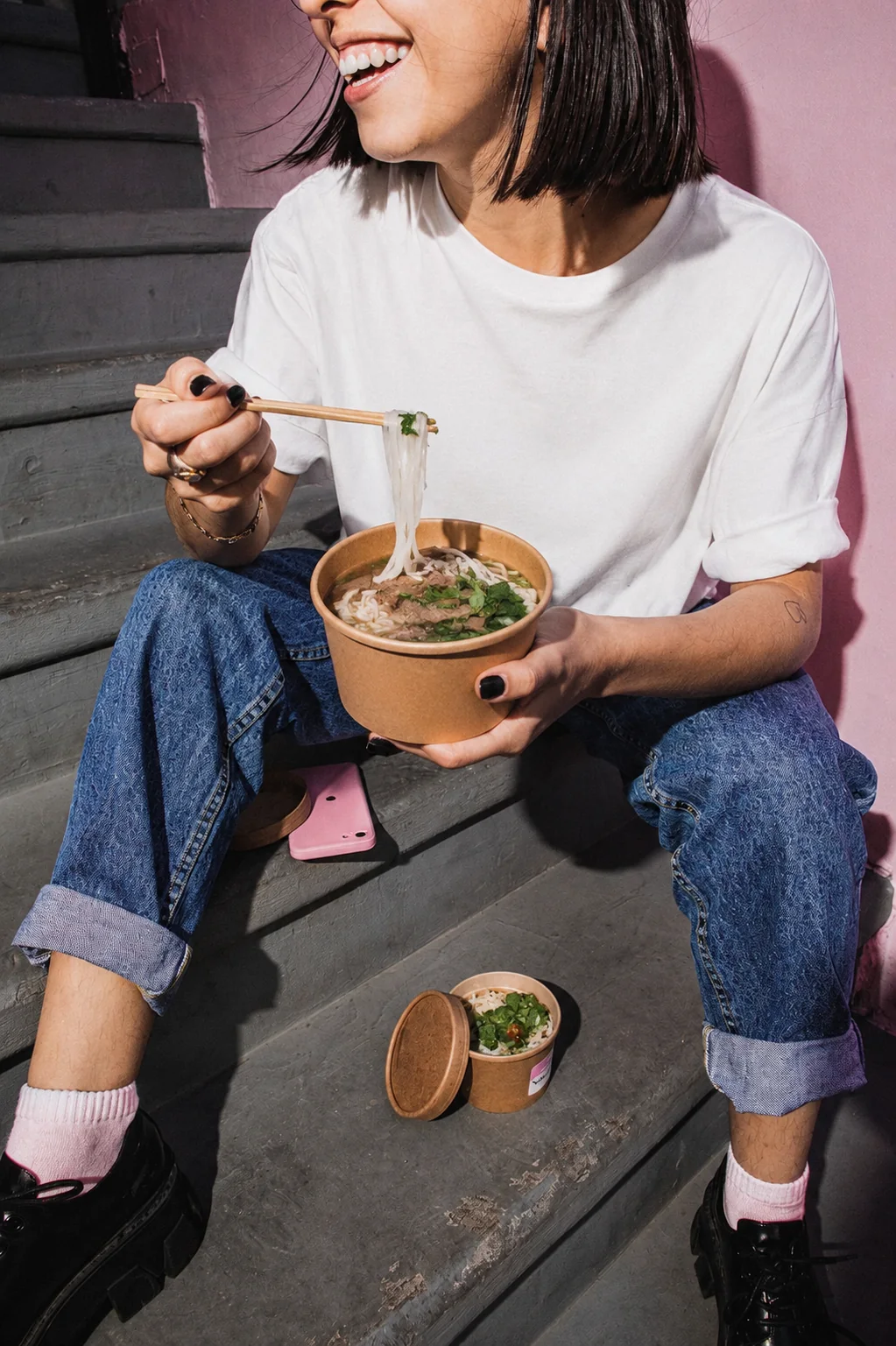
Healthy school lunch ideas can get weirdly moralistic. One minute you are trying to feed a child. The next minute the internet is judging your cracker choice like it has been asked to chair a nutrition committee.
Here is the more useful version: a healthy school lunch should give kids a realistic meal for the afternoon. It should also be easy enough to open, familiar enough to trust, and practical enough for a normal weekday. If it only works in a staged photo, it does not work.
The sweet spot is not perfect nutrition. It is a lunch that balances nutrition guidance with what students are willing and able to eat. More protein. More fruit or vegetables. More whole grains when they fit. More water. Less daily panic. Wildly ambitious, apparently.
Start with what healthy has to do
The CDC says school nutrition environments can shape healthy eating choices, and it notes that many children consume a large share of their daily calories at school. CDC school nutrition guidance is written for schools, but the parent takeaway is clear: lunch is not a tiny side project. It is part of the school day.
That means a healthy lunch has three jobs. It needs enough staying power to carry kids through class, enough appeal that they do not trade the main course for two bites of a snack, and enough practicality to survive the lunchroom. Miss any one of those, and the lunch may come back looking untouched and vaguely accusatory.
Healthy also needs context. A first grader with ten minutes of calm eating time is different from a middle schooler trying not to be embarrassed by anything too messy. A child who loves spice is different from one who treats visible herbs as a personal attack. Good lunch planning respects the kid in front of you.
Use a repeatable healthy lunch formula
Harvard's Kid's Healthy Eating Plate suggests a simple pattern: fruits or vegetables, whole grains, healthy proteins, healthy fats, and water. Harvard's healthy lunch guide is a helpful framework because it focuses on variety and quality instead of turning lunch into a spreadsheet.
For school mornings, make that even simpler:
- Anchor: wrap, bowl, sandwich, pasta, noodles, soup, quesadilla, salad, or bento box.
- Protein: chicken, turkey, egg, beans, lentils, tofu, yogurt, cheese, hummus, fish, or meatballs.
- Color: fruit, vegetables, salsa, slaw, edamame, peppers, carrots, cucumbers, or salad greens.
- Crunch: apples, crackers, pita chips, cucumbers, pretzels, granola, roasted chickpeas, or seeds if school rules allow.
- Drink: water, milk, or another school-approved option.
This formula works because it is flexible. A chicken rice bowl, a turkey wrap, a hummus pita box, and a pasta salad can all follow it. You are not reinventing lunch every morning. You are changing the format while keeping the structure steady.
What healthy school lunch does not mean
Healthy does not mean every lunch needs a superfood, a tiny fork, and a side of parental guilt. It also does not mean removing every food your child enjoys. A lunch that is technically virtuous but untouched by 12:30 is not a win. It is a tray full of good intentions.
Think in upgrades, not makeovers. Keep the pizza, but add fruit and water. Keep the pasta, but add chicken, beans, or cheese. Keep the crackers, but make them part of a snack-style lunch with protein and produce. Keep the familiar restaurant bowl, but choose a version with a real protein and vegetables your child will accept. Small improvements repeat better than dramatic plans that collapse by Wednesday.
This is especially important for families managing picky eating, allergies, tight budgets, busy mornings, or school rules. A practical healthy lunch plan is one a family can repeat without turning every night into food negotiation. Consistency beats the occasional heroic lunch that nobody has the energy to make again.
Healthy restaurant-prepared lunch ideas
Restaurant-prepared lunches are more practical when they are built for the child, the school, and the delivery handoff, not for imaginary applause. Start with two or three reliable anchors and rotate the add-ons.
- Turkey and cheese pinwheels with grapes, carrots, and whole grain crackers.
- Chicken rice bowl with cucumbers, edamame, carrots, and mild sauce on the side.
- Pasta salad with mozzarella, peas, cherry tomatoes, and a fruit cup.
- Hummus pita box with cucumbers, peppers, olives, fruit, and yogurt.
- Bean and cheese quesadilla triangles with salsa, apple slices, and water.
- Greek yogurt parfait with berries, granola portioned separately, and boiled egg.
- Cold sesame noodles with chicken, snap peas, orange slices, and cucumbers.
- Mini meatball sliders with salad sticks, grapes, and milk.
- Snack-style bento with turkey, cheese, crackers, fruit, vegetables, and dip.
- Warm soup or pasta with whole grain bread, cheese, fruit, and a crunchy side.
If that list feels too long, good. Do not use all of it. Pick three lunches that match your child, repeat them, and make small swaps. Repetition is not failure. Repetition is how school mornings remain a civilized activity.
Make the healthy part easier to eat
A healthy choice that is annoying to eat may lose to the nearest snack. Cut fruit if whole fruit keeps coming back. Use dips if raw vegetables need help. Put sauce on the side if texture is the problem. Choose bite-size pieces for younger kids. Send utensils only when the food actually needs them, and check whether younger students can open the packaging without adult help.
The CDC says schools can encourage meal participation by providing nutritious, appealing meals, getting student and parent input, and ensuring students have enough time to eat. CDC school meals guidance applies to cafeterias, but the logic applies to every lunch: appeal and access matter. Kids have to want the food, and they need a real chance to eat it.
This is where menu teams can stop fighting the wrong battle. If the broccoli comes back daily, do not keep offering it as a statement of hope. Try roasted broccoli in pasta, cucumbers with dip, carrots shredded into a wrap, or salsa in a bowl. Same nutrition goal, better delivery.
Healthy school lunch ideas for picky eaters
Picky eating does not mean healthy lunch is doomed. It means the path needs to be smaller. Keep the familiar food, then change one variable.
Use one small upgrade
If they like pasta
Add meatballs, chicken, chickpea pasta, peas, or a side of fruit. Keep sauce familiar and portion it separately if needed.
If they like sandwiches
Try pinwheels, wraps, or a cracker stacker box. Same basic flavor, less soggy bread drama.
If they like snacks
Build a real snack-style lunch with protein, fruit, vegetables, whole grain crackers, and dip instead of a loose pile of beige.
If they like restaurant meals
Choose bowls, tacos, pizza, noodles, wraps, or salads from the school-approved menu when ordered lunch is available.
The goal is progress, not a menu personality transplant. If a child accepts one new side or one more protein option, that counts. Build from there.
Let kids choose from a short list
"What do you want for lunch?" is too open. It sounds generous, but it often creates decision fog, negotiation, or a request that requires ingredients nobody owns.
Try this instead: "Do you want the chicken wrap or the rice bowl on Tuesday?" Two or three choices give kids ownership without handing them the entire family food operation. It also shows you what they actually prefer.
The USDA's MyPlate school lunch resource focuses on variety across food groups as part of school lunch. USDA's MyPlate guide to school lunch is useful because it keeps the idea of balance visible without pretending every lunch needs to look identical. Bounded choice lets families keep variety while still staying practical.
Use ordered lunch when it solves the real problem
Sometimes the healthiest lunch plan is not another workaround outside the school system. Sometimes it is a school-specific restaurant meal that is ordered ahead, prepared against real demand, labeled clearly, and handed off cleanly.
That matters because healthy school lunch is not only about menu ingredients. It is about whether the meal arrives ready, whether the child recognizes it, whether the school can manage handoff, and whether parents can make a good choice before the day gets loud.
Buy My Lunch is built for that exact middle ground. Parents choose from the restaurant options available at their school. Restaurants prepare meals against real orders. Schools get a clearer process for rosters, labels, delivery, and handoff. Parents can start with the parent ordering guide, schools can review the school setup guide, and restaurant partners can see how the restaurant lunch program works.
Restaurant-made does not automatically mean healthy. It still has to be planned for the school day. The better question is: does this meal give the child useful fuel, fit the school day, arrive ready for handoff, and actually get eaten? That is the standard.
Build a five-day healthy lunch rhythm
If you want fewer decisions, use a weekly rhythm. The structure stays the same, but the food changes enough to keep lunch from becoming background noise.
- Monday: wrap or pinwheel day with fruit and a crunchy vegetable.
- Tuesday: bowl day with rice, noodles, grains, or salad plus protein.
- Wednesday: restaurant-made lunch ordered ahead through school.
- Thursday: snack-style bento with protein, fruit, vegetables, and dip.
- Friday: comfort food day, made more balanced with sides and water.
This rhythm gives parents a plan, gives kids predictable choice, and makes ordering less chaotic. It also works for schools and restaurants because people can plan around patterns. The lunch workflow is easier to understand when the system gets less random. Shocking, but true.
Read the leftovers without taking it personally
Leftovers are feedback. They might mean the food was too hard to open, too messy, too unfamiliar, too soggy, too cold, too hot, too rushed, or simply not what your child wanted that day.
Look for patterns. If the protein comes back, try a different format. If fruit comes back, change the cut or the variety. If the vegetable always survives, put it in the wrap, bowl, sauce, or dip instead of beside the meal like a tiny edible assignment. If the whole lunch comes back, ask about time, seating, distractions, and whether the food felt awkward to eat around friends.
Healthy school lunch is not a single perfect recipe. It is a working loop: choose, eat, learn, adjust. The loop is more important than any one menu item.
The practical healthy lunch is the one school can run
Healthy school lunch ideas can be judged by practical questions. Did the child get enough to eat? Did the meal include useful nutrition? Did it fit the school's rules? Was it easy to open and finish? Did it make the afternoon better instead of creating one more daily friction point?
Start small. Pick three trusted anchors. Add one better piece to each. Let kids choose from a short list. Use restaurant-made school lunch when it gives your family and school a cleaner path to variety. Repeat what works.
That is the practical version of healthy: food students recognize, a system parents can repeat, and a lunch day schools can run. Cute bento tweezers optional. Results required.
Key takeaways
- Source-backed school lunch guidance points toward meals that are balanced, familiar, easy to eat, and realistic for the school day.
- A repeatable formula beats a giant idea list: anchor food, protein, color, crunch, and a drink.
- Short, realistic choice sets are one practical way to apply source-backed guidance about student and family input.
- Ordered-ahead restaurant lunch depends on food that arrives ready, labeled, delivered, and simple to hand off.
- A practical healthy lunch balances nutrition guidance with what can actually happen during the school day.
Frequently asked questions
What are healthy school lunch ideas for school menus?
Healthy restaurant-prepared school lunch ideas for school menus include turkey or chicken wraps, rice bowls with protein and vegetables, pasta with fruit, bean and cheese quesadillas, yogurt parfaits, hummus pita plates, noodle bowls, and restaurant-made meals ordered ahead through school. Practical options are balanced, familiar, and realistic for a short lunch period.
How do I make school lunch healthier without overhauling everything?
Keep the food your child already accepts, then add one helpful piece: protein, fruit, vegetables, whole grains, or water. A pasta lunch can get chicken or beans. A sandwich can become a wrap with fruit. A snack-style lunch can add yogurt, cheese, hummus, or a hard-boiled egg.
What should a balanced school lunch include?
A balanced school lunch usually includes an anchor food, a protein, fruit or vegetables, something crunchy or satisfying, and a drink. It does not have to be perfect. It has to give kids enough staying power for the afternoon and be practical enough to eat at school.
What are healthy school lunch ideas for picky eaters?
For picky eaters, start with familiar foods and make one small upgrade at a time. Try pinwheels instead of sandwiches, pasta with meatballs, rice bowls with sauce on the side, quesadilla triangles, yogurt with fruit, or a deconstructed lunch with crackers, cheese, turkey, and fruit.
Can restaurant-made school lunch be healthy?
Restaurant-made school lunch can fit a health-focused school menu when it is planned for the school day, includes realistic balanced choices, and is ordered ahead so restaurants can prepare against real demand. The key is not random takeout. It is a school-specific program with clear menus, labels, delivery timing, and handoff.
How does Buy My Lunch help with healthy school lunch ideas?
Buy My Lunch lets families order school-specific restaurant meals ahead of time while giving schools and restaurants a structure for menus, cutoffs, labels, delivery, and handoff. That gives healthy variety a more organized path than a daily scramble.
Related posts
 Lunch IdeasElementary School Lunch Ideas for Real School Days
Elementary school lunch ideas that give families, schools, and restaurant partners practical menu formats built for real lunch periods.
 Lunch IdeasKindergarten Lunch Ideas for School Menus
How schools and restaurants can shape kindergarten-friendly menus that are familiar, manageable, and realistic for the school day.
 Lunch IdeasSchool Lunch Ideas for Picky Eaters
How restaurant-prepared school menus can give picky eaters familiar choices without creating chaos for schools.