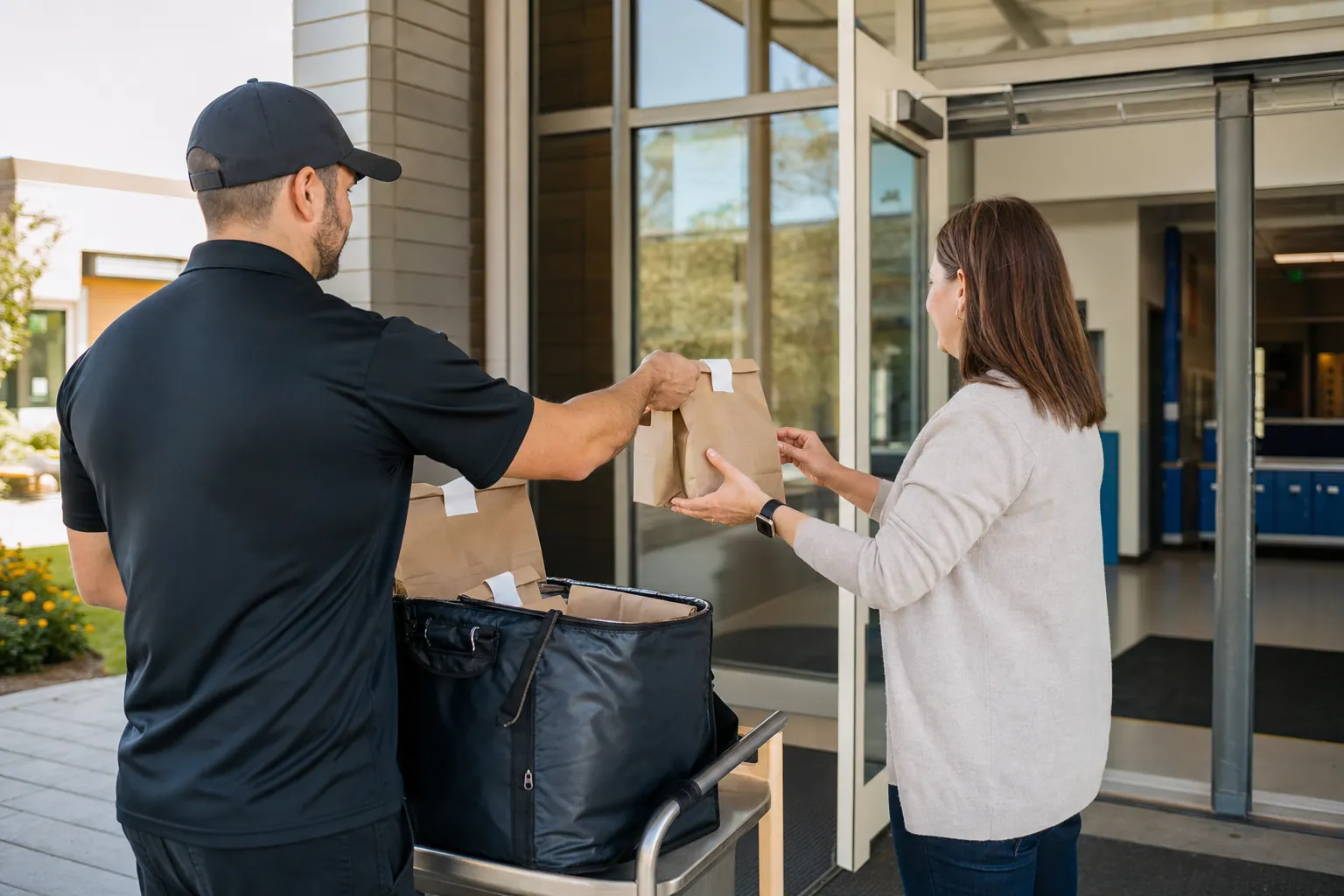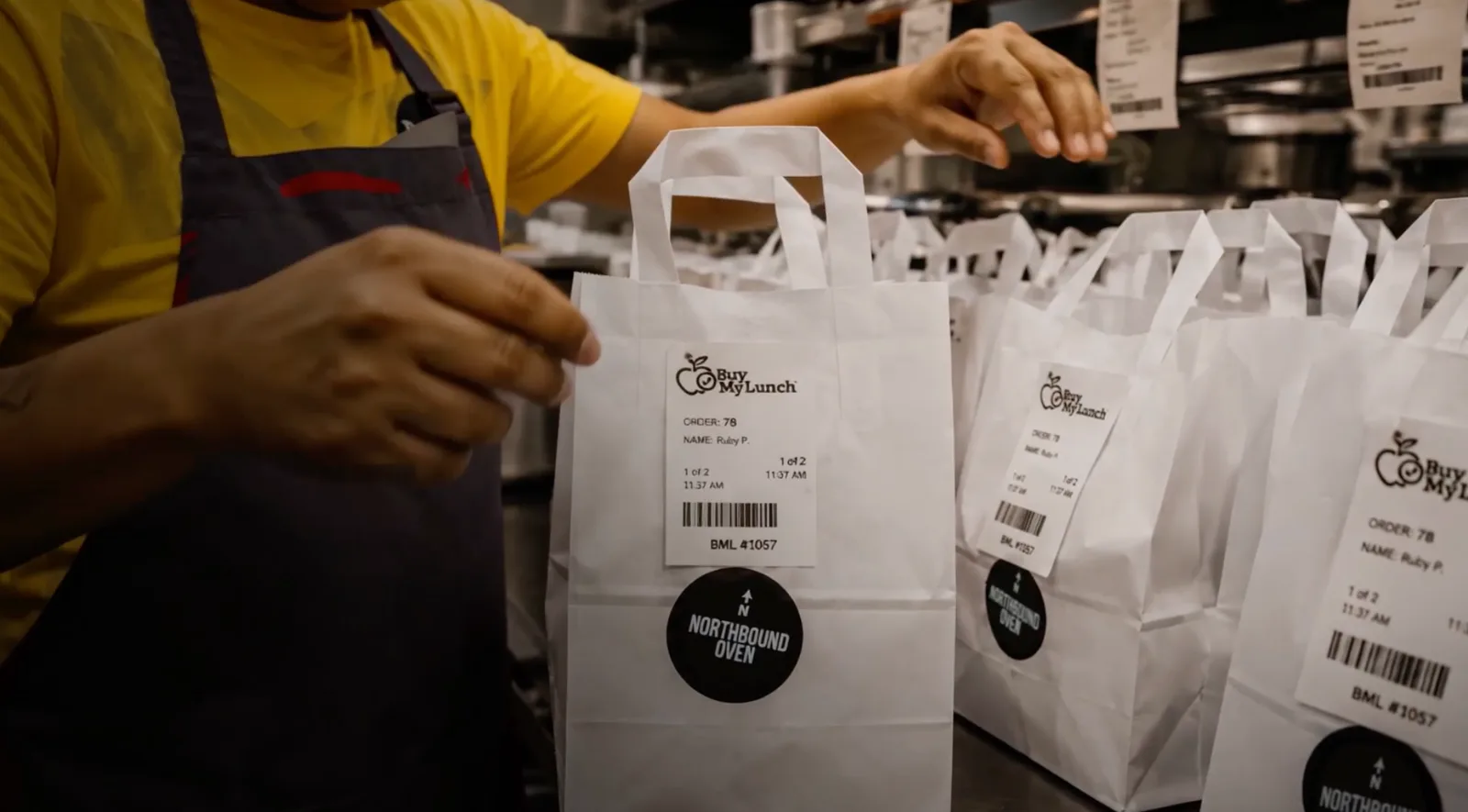
A school lunch ordering cutoff is the point when a menu stops being a collection of possible choices and becomes a plan a restaurant and school can actually run. It is not there to make life difficult for a parent who remembers lunch at 10 p.m. It is there because lunch has a deadline whether the team names one or not.
When the deadline is vague, the work does not disappear. It moves into text messages, hand-edited lists, last-minute calls, and a restaurant trying to guess whether one more meal can be squeezed in. A clear cutoff gives families a fair chance to order, gives the restaurant a real production count, and gives school staff a believable answer to the question, “What is supposed to arrive?”
This guide is for parent-paid, restaurant-prepared lunch programs. A school participating in a federal meal program has its own operational and regulatory requirements. Every school should confirm the local rules that apply to its service. The practical lesson remains the same: set the deadline around the work that must happen after an order is placed.
Key takeaways
- A useful cutoff is tied to menu setup, restaurant prep, labels, delivery, and school handoff, not an arbitrary clock time.
- Families need to see the meal date and deadline beside the menu before they commit.
- Once ordering closes, one final record should drive restaurant preparation and the school handoff.
- Late requests need a defined exception path, not a promise that somebody will “try to make it work.”
What an ordering cutoff really does
A cutoff protects a chain of decisions. The restaurant needs time to review the final items, buy ingredients, schedule prep, portion meals, label bags, and stage delivery. The school needs to know the delivery day, receiving point, staff contact, and how meals will move from a tote to students. Families need a predictable answer about when ordering ends and what happens if plans change.
That is why a cutoff should never be treated as a hidden setting in a system. It is part of the promise families are making when they order. If a menu says Tuesday lunch but leaves the deadline unclear, a parent may reasonably assume Tuesday morning is fine. The restaurant may reasonably need Monday afternoon. Both people are acting sensibly. The process is what failed them.
The best cutoff creates a clean handoff between choice and preparation. Before it closes, families can review the available meal and place an order. After it closes, the restaurant and school should be working from the same final information. The goal is not rigidity for its own sake. The goal is to stop a meal from becoming an avoidable surprise halfway through the day.
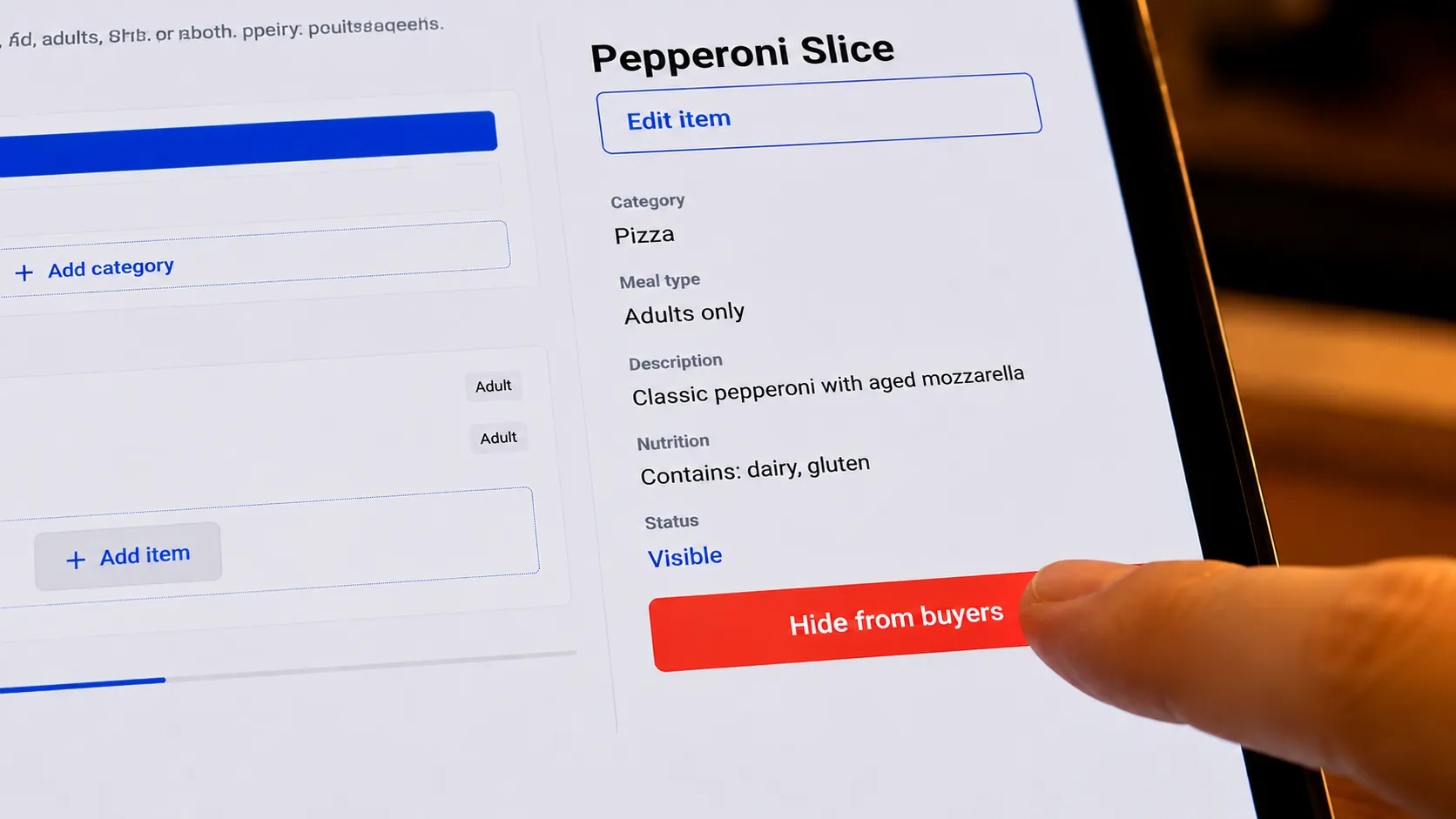
Choose the deadline by working backward
Start with the actual serving moment, then work backward through the tasks that must happen before it. Ask when the restaurant needs a final count to prepare reliably. Ask how much time packing and labeling take for the order size. Ask when a driver needs to leave to reach the school’s receiving point without colliding with dismissal, a bell schedule, or a cramped front office.
Then include the work that happens before the restaurant starts cooking. A menu must be published. Families need enough time to notice it. Staff need a way to answer questions about allergens, price, school closures, credits, or an unavailable item. A deadline that works beautifully on a spreadsheet but appears after most families have gone to bed is not a good deadline.
There is no universal clock time. A weekly menu with one large restaurant order may need a longer lead time than a simple recurring lunch day. A school with a long delivery route may need more margin than one receiving meals next door. The useful test is plain: after the cutoff, can every next person do their job without pleading for a favor or guessing from incomplete information?
Put the deadline where families make the decision
Families should not need to hunt through a policy page to learn whether they can still order. Show the deadline beside the meal date, restaurant, price, and order action. Repeat it in the confirmation message. If a school sends a reminder, use the same words and the same time so a parent is never comparing competing versions of the rule.
Specific language is kinder than vague language. “Orders close Monday at 10:00 p.m. for Wednesday lunch” is more useful than “order in advance.” It tells a family whether there is still time to act. It also reduces the frustrated message that arrives after a deadline because someone assumed “tomorrow” meant the next school day.
The family-facing flow should also explain the next step. Does a confirmed order appear in an account? Who handles an accidental duplicate? What happens if the school closes? Where should a parent start if a meal is missing or delayed? Clear answers are not extra decoration. They keep support questions from landing on the restaurant while its team is trying to pack lunch.
Turn closed orders into one final restaurant count
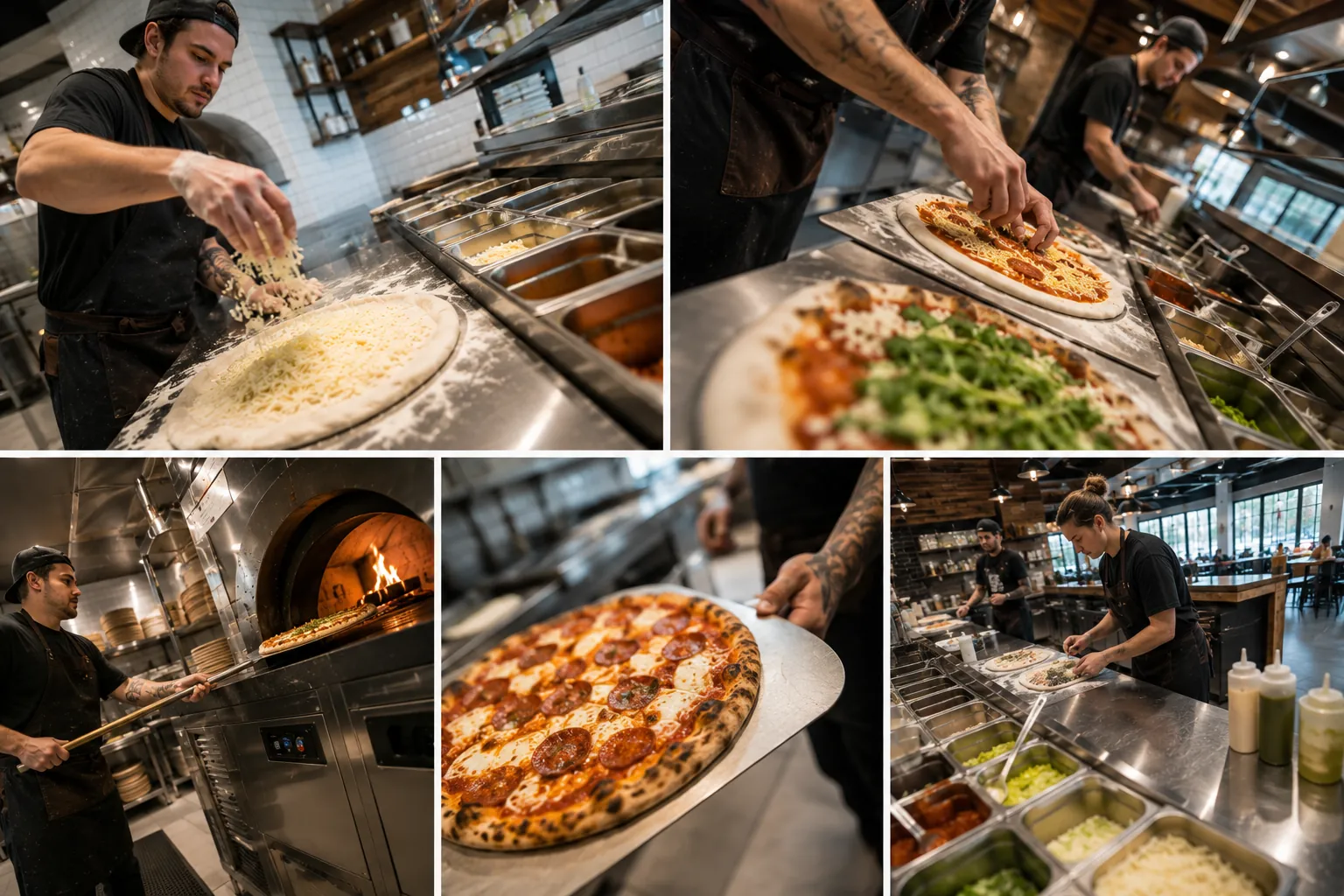
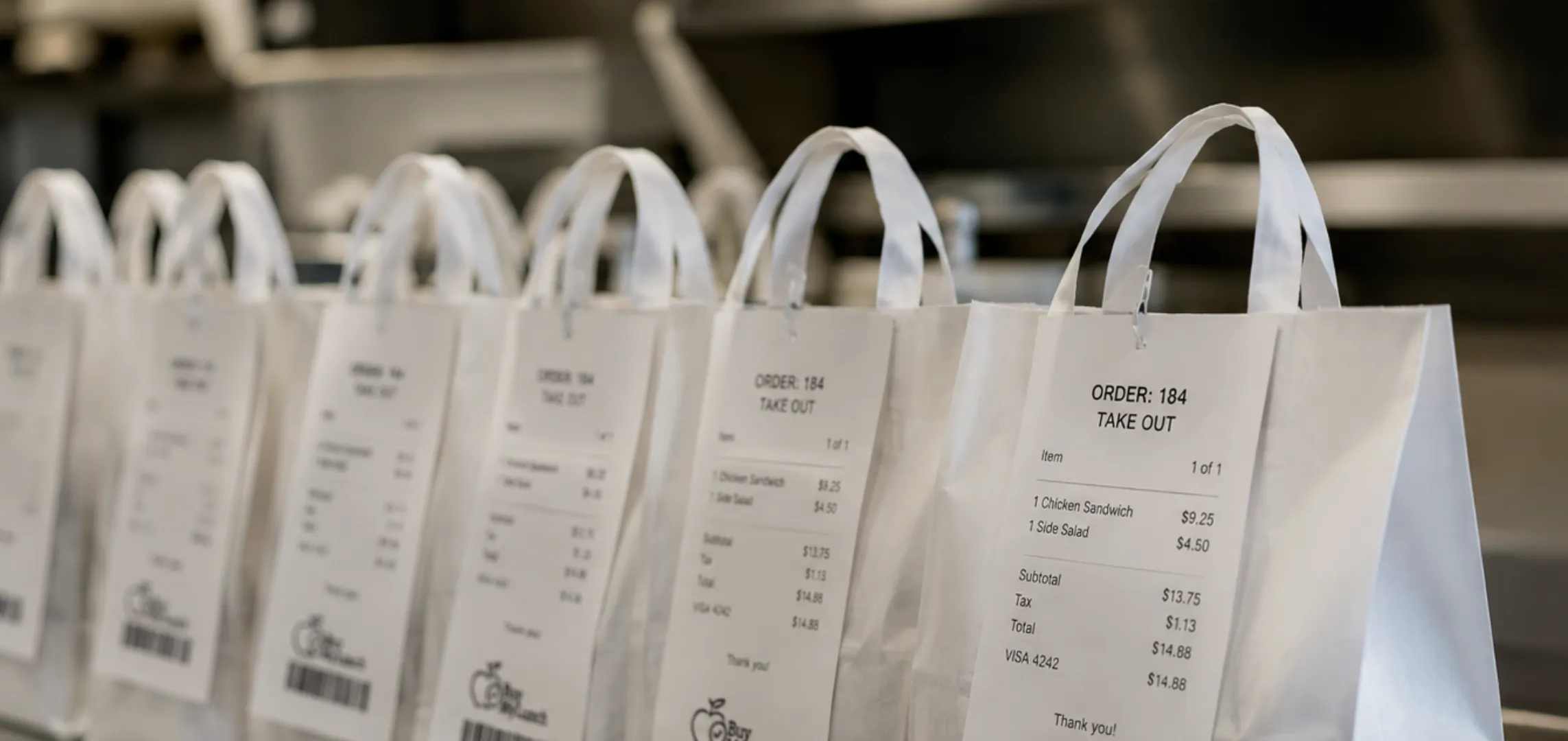
When the cutoff passes, the restaurant should receive a usable preparation record, not a pile of notifications. The final count needs the menu items, quantities, service date, school destination, packing or label information the program has approved, and the delivery details that affect the shift. If a team has to combine a payment export, a spreadsheet, and three emails to find the real count, the cutoff is not doing its job yet.
The school needs its own concise view of what to expect. That might include a total count, classroom grouping, a receiving contact, and a handoff method. It does not mean every person needs access to every detail. The point is to make the next job possible with the right amount of information, not to create a new document that everyone has to decode.
This is where a school lunch ordering system earns its keep. It connects the family’s selection to the restaurant’s final count and the school’s handoff plan. A school can certainly run a small program with manual steps. It should be honest about where manual steps become a daily risk, especially when one missed update can leave a student waiting for lunch.
Make exceptions boring on purpose
Late requests, absences, weather closures, duplicate orders, and menu changes will happen. A good lunch program does not pretend otherwise. It decides in advance which exceptions can be handled, who can approve them, and how the update reaches the family, restaurant, and school.
For example, if a family requests a late order after the restaurant has already received the count, the school needs a defined answer. It may be a firm no. It may be a conditional yes before a stated time. It may be an alternative meal path. What it cannot be is a private message to someone who may be in a kitchen, on a delivery route, or away from their phone. A soft rule creates hard feelings because it rewards the person who knows whom to text.
Keep the exception policy short and visible. The more predictable it is, the less it feels personal. Families can plan, restaurant partners can protect their prep rhythm, and school staff can answer confidently instead of negotiating from the front desk.
Keep food safety and school policy in the plan
Ordering timing also affects food handling. The FDA Food Code is a model used by jurisdictions to support food-service rules, while state and local requirements control in practice. Its guidance on time as a public-health control shows why a service plan needs a documented process when time, rather than ongoing temperature control, is part of the plan. Schools and restaurant partners should confirm their own local requirements and food-safety procedures before launch.
A lunch cutoff does not replace those procedures. It supports them by making the serving day more predictable. The final count, packaging plan, route timing, receiving point, and handoff contact should all be settled before meals leave the restaurant. For broader context, the FDA’s Food Code guidance and USDA’s school lunch food-safety reminders are useful starting points, alongside local health guidance.
School policy matters too. The school should clearly state who may receive a delivery, where it arrives, what staff can promise families, and how the program handles a closure or schedule change. A restaurant can prepare an excellent meal and still have a bad lunch day if nobody is ready to receive it.
A simple school lunch cutoff checklist
- Serving date: Is the meal date obvious before a family begins an order?
- Deadline: Is the exact day and time visible beside the menu and repeated in the confirmation?
- Restaurant lead time: Does the deadline leave enough time for a real final count, prep, packing, and delivery?
- School handoff: Does the school know what should arrive, where it will be received, and who owns the handoff?
- Exceptions: Is there a clear route for late requests, absences, duplicate orders, and closures?
- One final record: Can the restaurant and school work from information that agrees after the cutoff closes?
Pair this checklist with a school lunch menu template so the meal, price, cutoff, delivery date, and program notes stay in the same conversation. That is the kind of boring organization that makes a lunch day feel calm.
How Buy My Lunch helps
Buy My Lunch is designed around the full school lunch rhythm: school-specific menus, family ordering and payment, restaurant preparation counts, labels, delivery visibility, credits, and the school handoff. The goal is not merely to collect orders. It is to make sure a parent knows the plan, a restaurant knows what to make, and the school can receive lunch without turning its office into a dispatch center.
That rhythm matters most on an ordinary busy day. When deadlines, information, and ownership are clear before lunch, the team spends less time repairing avoidable confusion and more time making sure students receive the meal their families expected.
Schools exploring a restaurant-prepared lunch program can start with the school FAQ, then use the school lunch delivery guide to map the rest of the handoff. A clear cutoff is one small piece of that system, but it is the piece that lets everyone else move with confidence.
Frequently asked questions
How far ahead should school lunch orders close?
The right cutoff depends on the restaurant, menu, delivery plan, and school schedule. Set it far enough ahead for the restaurant to buy, prep, label, and route meals accurately, then make that deadline easy for families to see before they order.
Can a parent change an order after the cutoff?
A school can allow exceptions, but it should decide who can approve them and how the restaurant, school, and family will receive the update. A late change that reaches only one person is usually worse than a clear no-change rule.
Why do school lunch ordering cutoffs matter?
A cutoff turns individual family choices into a reliable restaurant count and a known school handoff. It protects preparation time, makes labeling more accurate, and gives school staff a clearer picture of what should arrive.
What should families see before a lunch cutoff?
Families should be able to see the meal, serving date, price, school, order deadline, and the route for common questions. The more clearly those details appear together, the fewer families need to chase an answer after the window closes.