
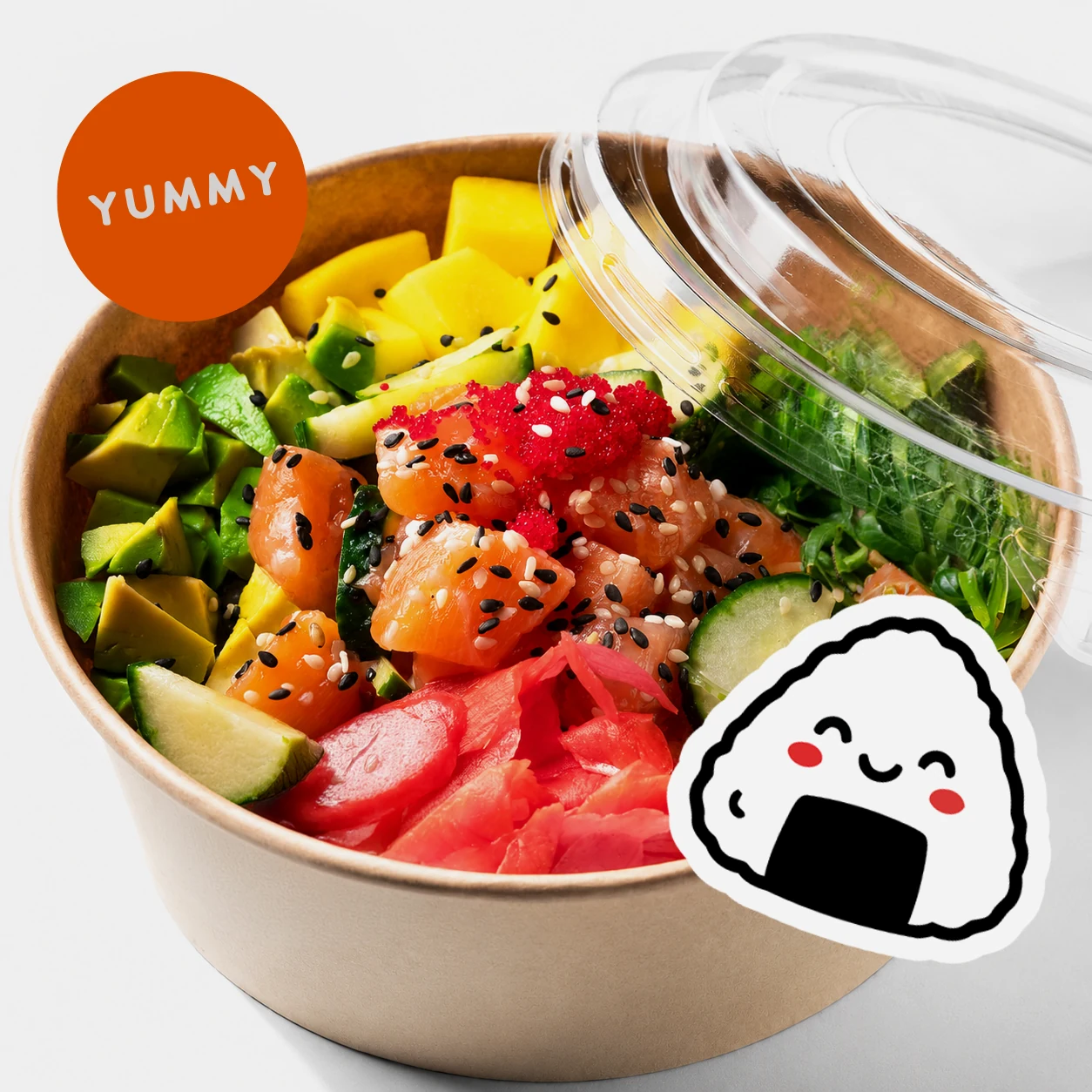
Lunch ideas for kids usually fail for one painfully simple reason: they are written like generic idea lists, not like real school lunch options that have to be ordered ahead, prepared by a restaurant, delivered, labeled, handed off, and eaten in a loud cafeteria with twelve minutes of actual attention.
A perfect menu idea on paper can still miss the mark in the lunchroom. Kids get bored. Textures get weird. Hot food needs to travel well. Cold food needs to hold up. What looked great during menu planning can become suspicious by noon. This is normal. It is also fixable.
The goal is not to create endless choice. The goal is to build a practical rotation of restaurant-made lunches students recognize and can manage. That means enough familiarity to feel approachable, enough variety to stay interesting, and enough operational realism that restaurants and schools can make the handoff work.
Start with the real job of lunch
School lunch has a bigger job than filling a box. It has to carry a kid through the rest of the school day. The CDC notes that school nutrition environments can support students in making healthy choices, and that matters whether lunch comes from a cafeteria or a restaurant partner. CDC school nutrition guidance is written for schools, but the parent lesson is useful too: food is more practical when the environment makes the better choice easier to offer.
In a restaurant-powered school lunch program, that environment is the app, the menu, the restaurant prep window, the delivery process, and the lunchroom. Kids are not eating in a calm kitchen with every utensil available and a patient adult saying, "Try one bite." They are eating fast, around friends, with limited time and strong opinions. Lunch should respect that.
Use a simple restaurant lunch formula
A useful menu formula beats a giant list. Start with one anchor food students already accept, then build around it in a way a restaurant can prepare consistently.
- One anchor: wrap, rice, pasta, noodles, sandwich, pizza, soup, or bowl.
- One protein: chicken, turkey, beans, eggs, yogurt, cheese, tofu, or meatballs.
- One color: fruit, vegetables, salsa, roasted peppers, edamame, or a side salad.
- One crunch: crackers, cucumbers, apples, pretzels, pita chips, or granola.
- One easy drink: water, milk, or another school-approved option.
The USDA's MyPlate guidance organizes meals around food groups such as fruits, vegetables, grains, protein foods, and dairy. MyPlate is not a menu law, and every family has its own needs. But it gives parents and restaurant teams a helpful gut check: does this lunch have enough structure to feel like a meal, not just a pile of snacks?
Rotate formats before you rotate everything
Most parents try to solve lunch boredom by finding totally new foods. That is harder than it needs to be. A better first move is to keep the flavor familiar and change the format.
If your child likes chicken, that can become a chicken Caesar wrap, a rice bowl, a quesadilla, a pasta salad, a slider, or a dipper box with pita and sauce. If they like pizza, try pizza bagels, flatbread squares, cold pizza strips, pasta with marinara and mozzarella, or a build-your-own pizza lunch with sauce on the side.
This is why restaurant-style variety can fit school menus. Restaurants naturally think in formats: bowls, wraps, noodles, sandwiches, salads, sides, and sauces. Parents do not have to invent a new universe every order cycle. They can order ahead from the menu available at their school and help kids choose meals that already feel like real food.
Lunch ideas by kid mood
For the kid who wants the same thing every day
Keep the anchor and change one small thing. Chicken becomes a wrap, bowl, or slider. Pasta becomes baked pasta or a cold noodle salad. Pizza becomes flatbread strips. Familiar food, less lunch fatigue.
For the kid who picks at everything
Use restaurant-friendly small portions: chicken bites, mini wraps, quesadilla triangles, fruit cups, cucumbers, hummus, or yogurt. Smaller choices can feel less intimidating than one big item.
For the kid who wants hot lunch energy
Think bowls, noodles, sliders, soup, tacos, or restaurant-made meals ordered ahead. The lunch should feel like something they chose, not a backup plan.
Try these school lunch ideas for kids
Use this list as menu inspiration, not a promise that every item is available at every school. Buy My Lunch menus depend on the restaurant partners, school size, assigned lunch days, and the choices available in that school's app.
- Chicken rice bowl with cucumber, carrots, and a sauce cup.
- Turkey and cheese pinwheels with grapes and pretzels.
- Pasta salad with mozzarella, peas, cherry tomatoes, and chicken.
- Breakfast-for-lunch plate with yogurt, granola, berries, and a boiled egg.
- Bean and cheese quesadilla triangles with salsa and fruit.
- Noodle bowl with edamame, carrots, chicken, and mild sauce.
- Hummus plate with pita, cucumbers, peppers, crackers, and cheese.
- Mini meatball sliders with apple slices and snap peas.
- Cold sesame noodles with chicken and sliced oranges.
- Pizza flatbread squares with a side salad or fruit cup.
- Chicken Caesar wrap with strawberries and crunchy chickpeas.
- Soup with bread, cheese, and fruit.
Notice the pattern. These ideas use familiar anchors and small changes. That is the sweet spot: lunch that feels different without becoming hard for restaurants to repeat or schools to hand off.
Build a menu rotation kids can repeat
A school lunch rotation should be predictable enough for schools and restaurants, but flexible enough for kids. Start with meals students already eat without drama. They do not have to be impressive. Pizza, chicken, noodles, tacos, turkey, eggs, yogurt, pasta, rice, and soup are all usable starting points.
Then give each meal two alternate versions. Chicken can be a wrap or a bowl. Noodles can be warm or cold. Turkey can be a sandwich or pinwheels. Pizza can be flatbread squares or pasta with marinara and cheese. Suddenly five familiar meals become fifteen menu ideas without forcing students into a brand new food personality.
This also gives restaurants a practical way to build school menus. Instead of chasing random ideas, the menu can grow around known anchors: tortillas, rice, pasta, fruit, crunchy sides, sauces, and proteins students already accept. That is how lunch planning becomes a system instead of a daily guessing game.
Give kids choice without giving them the whole internet
Limited choice is usually more practical than open-ended choice. "What do you want for lunch?" can produce either silence or a request that is physically impossible. "Do you want the noodle bowl or the turkey wrap from Wednesday's restaurant menu?" is much easier.
Choice is also one way to apply source-backed guidance about student and family input. That does not mean handing over the nutrition plan. It means giving them two or three realistic options and letting them feel some ownership.
Buy My Lunch is built around that behavior, but the choice is school-specific. In some schools, families may see multiple restaurant options. In many schools, especially smaller programs, one restaurant is assigned to a specific day and parents order from that menu. The parent ordering guide explains how families choose meals ahead of time while schools use a clearer system for orders and handoff.
Plan around the foods that come back untouched
Untouched lunch is feedback. Annoying feedback, yes, but feedback. Instead of asking, "Why did you not eat this?" try asking a more useful question: did the food fail because of taste, texture, time, temperature, mess, packaging, or social pressure?
A child may like warm pasta outside school but not cold pasta at school. They may like apples but not brown apple slices. They may like tacos but not if the filling slides everywhere in front of friends. Those are menu and packaging details worth reviewing.
If vegetables come back untouched, try changing the job they do. Some kids will ignore raw carrots but eat them inside a noodle bowl. Some skip salad but accept cucumbers with ranch or hummus. Some do not want a whole orange but may accept easy-peel sections. The point is not trickery. It is reducing friction.
Pay attention to time too. A lunch that requires assembly may be fun on a calm weekend and useless in a ten-minute lunch period. Younger kids may need fewer pieces, easier packaging, and foods they can handle without asking an adult for help. Older kids may want meals that feel less babyish and more like something they would choose outside of school.
Keep food safety and packaging boring
Variety should not ignore school safety practices. Restaurant-made school lunch still has to respect temperature, ingredient clarity, packaging, age-appropriate portions, allergy rules, and the time students have to eat. A complicated meal that needs too much setup can fall apart operationally even when the food itself is good.
Schools may also have rules about peanuts, tree nuts, shared food, heating meals, glass containers, or delivery procedures. Those rules are not there to make lunch boring. They are part of how schools manage safety and operations. A practical lunch idea is one a restaurant can prepare, a school can hand off, and a student can open, eat, and finish inside the school's real constraints.
The FDA explains the major food allergens that require clear labeling in packaged foods, including milk, eggs, fish, crustacean shellfish, tree nuts, peanuts, wheat, soybeans, and sesame. FDA food allergy information is broader than restaurant school lunch programs, but it is a useful reminder: labels and ingredients are part of trust.
Where Buy My Lunch fits
Buy My Lunch fits when the problem is not a lack of ideas. It is turning good ideas into an ordered-ahead school lunch system that connects parents, restaurants, and schools.
The practical version is not random takeout dropped into a school day. It is organized ordering ahead, clear delivery expectations, school-friendly packaging, and meals that arrive in a way the school can hand off. That is why the system behind lunch matters as much as the menu.
For schools, the operational side matters: rosters, delivery contacts, cutoffs, labels, and order visibility. The school setup guide explains how those pieces work. For restaurants, the restaurant setup guide shows how lunch can become a scheduled, prepared-to-order program instead of a chaotic midday scramble.
A simple restaurant lunch rotation
If a school wants less decision fatigue, build a predictable rhythm. The exact restaurant schedule depends on the school. A larger school may support multiple restaurant options. A smaller school may start with one restaurant assigned to a specific day.
- One day might be a bowl or noodle menu.
- Another day might be wraps, sandwiches, or sliders.
- A comfort-food day might feature pizza, pasta, soup, or tacos.
- A lighter day might offer salads, protein boxes, or fruit-forward sides.
- The app shows the real options available for that school and day.
This rhythm gives kids some variety and gives parents enough structure to order quickly. It also gives restaurants real demand signals instead of guessing.
Use lunch ideas as a bridge, not a burden
The internet has endless lunch ideas for kids. That is part of the problem. More ideas do not automatically make school lunch easier. A better approach is to choose a few repeatable restaurant-made meals, add small variety, and use the school-approved ordering options available through Buy My Lunch.
Buy My Lunch exists because parents, schools, and restaurants all need lunch to work in the real world. Parents need clearer choices. Kids need familiar, manageable meals. Schools need an organized handoff. Restaurants need accurate orders and prep time. When those pieces line up, lunch stops being a daily little drama.
Start small. Know the anchors your child likes. Look at the restaurant menu available for your school and delivery day. Let your kid choose between realistic options when the menu allows it. Then use Buy My Lunch to order ahead so lunch becomes a plan, not a daily negotiation nobody wins.
Key takeaways
- Practical school lunch ideas are familiar enough for kids to recognize and practical enough for restaurants and schools to execute.
- Buy My Lunch is built around ordered-ahead meals from the restaurant options available at each school.
- Some schools may offer multiple restaurants, while many start with one restaurant assigned to a specific day.
- A strong menu rotation beats unlimited choice when the goal is a clean handoff and realistic school-day meals.
- Restaurant-made school lunch depends on parents, restaurants, and schools understanding the daily plan.
Frequently asked questions
What are good restaurant-made lunch ideas for kids?
Good restaurant-made lunch ideas for kids include bowls, wraps, quesadillas, pasta, noodles, sliders, tacos, soups, salads, and comfort-food favorites with practical sides. Practical options feel familiar to students while still being realistic for a restaurant to prepare, label, deliver, and repeat.
How can a school lunch menu feel more interesting?
A school lunch menu can feel more interesting by rotating formats before constantly changing ingredients. Chicken can become a wrap, rice bowl, slider, pasta, or dipper plate. Familiar ingredients can stay in the rotation while the format, sauce, or side changes.
What should a balanced restaurant-made school lunch include?
A balanced restaurant-made school lunch usually includes a protein, a grain or starch, a fruit or vegetable, and something that makes the meal enjoyable enough to eat. Balance matters, but a theoretically perfect menu does not help if students leave it untouched.
Does Buy My Lunch offer multiple restaurants every day?
It depends on the school. Some schools may offer multiple restaurant options, but many schools start with one restaurant assigned to a specific day because of school size, order volume, staffing, and handoff logistics. Parents order from the restaurant options available in their school's Buy My Lunch app.
How do parents use Buy My Lunch for school lunch ideas?
Parents use Buy My Lunch to order ahead from the restaurant menu available at their school. Lunch ideas become practical choices inside a real school schedule instead of a generic list of meals that may not be available.
How does Buy My Lunch help with lunch ideas for kids?
Buy My Lunch gives families a simple way to order restaurant-made school lunches ahead of time. Parents see the available school-specific menu, restaurants prepare against real orders, and schools get a clearer handoff because lunch is organized before it arrives.
Related posts
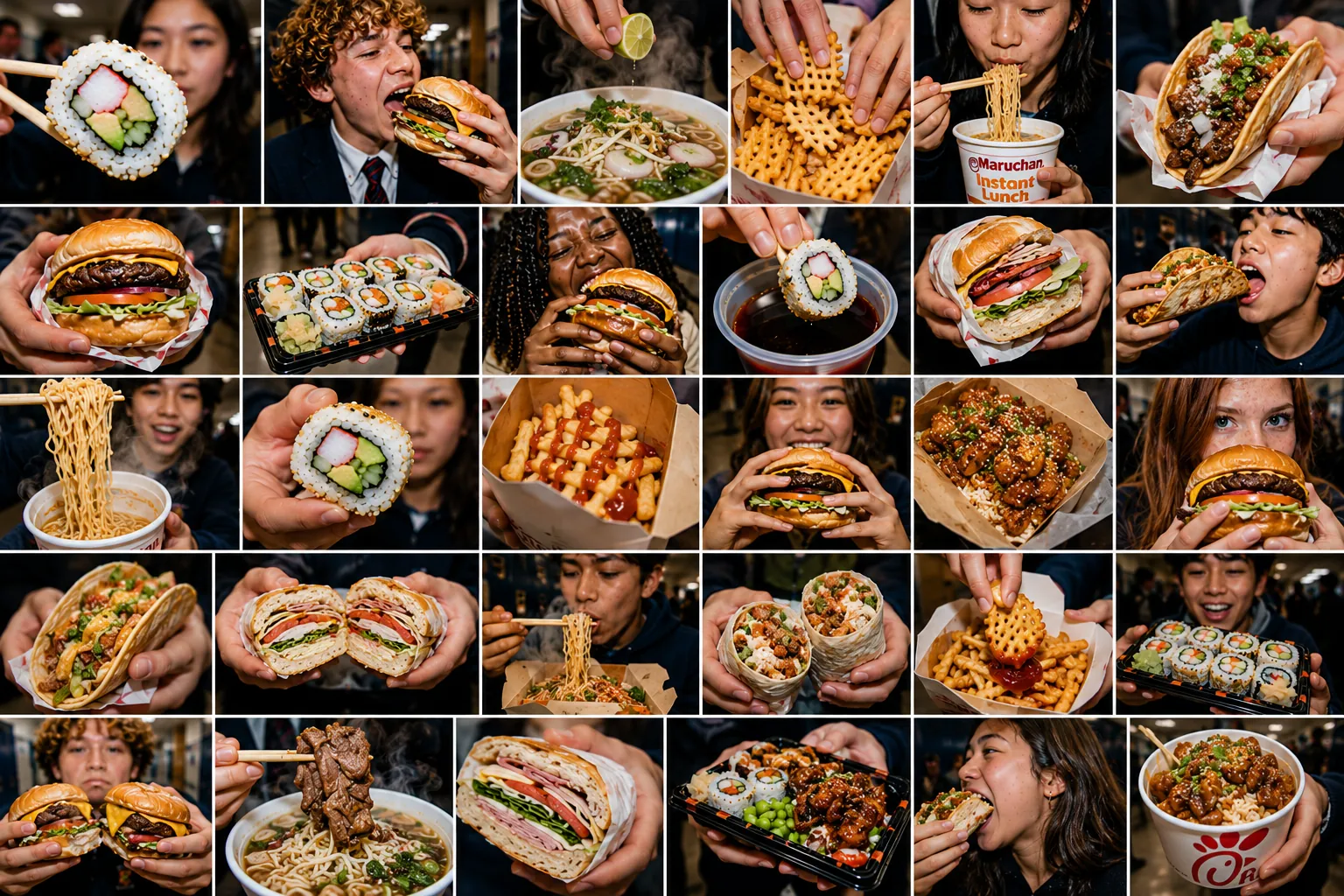 School Lunch OperationsSchool Lunch Program Benefits That Matter Every Day
School lunch program benefits go beyond the meal: clearer routines for families, a steadier school day, and a more workable plan for the teams serving lunch.
 School Lunch OperationsSchool Lunch Ordering Cutoffs: A Practical Guide
A practical guide to setting school lunch ordering cutoffs that give families clarity, restaurants time to prepare, and schools a reliable handoff.
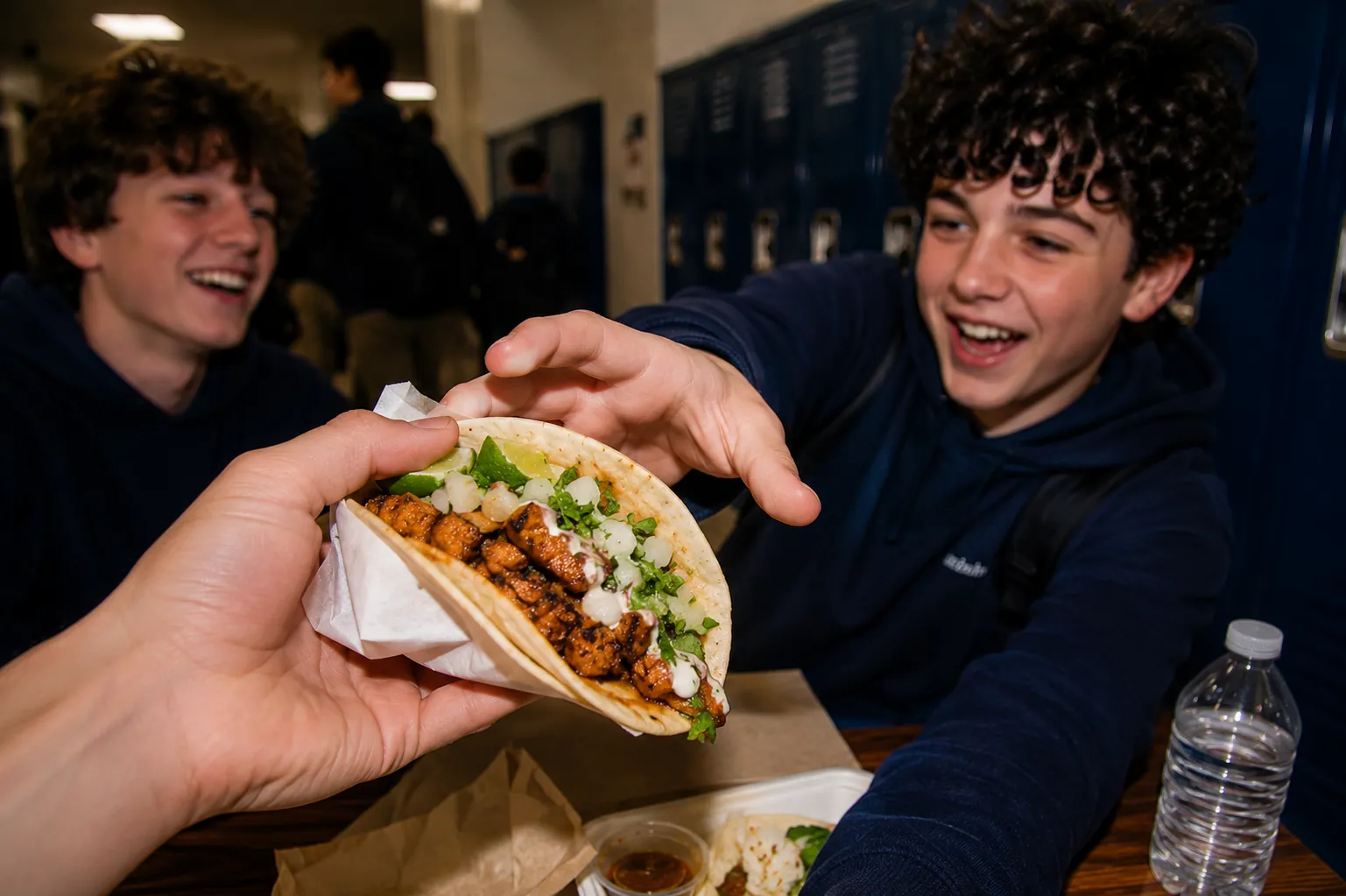 School Lunch OperationsSchool Lunch Payment Integration: What Schools Should Ask
A practical guide to connecting school lunch ordering and payment without leaving families, staff, or restaurant partners to reconcile lunch-day loose ends.